
DEKA FIT looks intimidating on Instagram: ten stations, a lot of grunting, people lying on the floor afterwards. In reality, it's one of the most approachable fitness events out there. Here's how all three DEKA formats work.
We're a DEKA affiliate, so we get asked about this a lot. The short version: there are three formats, one set of ten zones, and the only real difference is how much running you do.
DEKA FIT, DEKA MILE and DEKA STRONG at a glance
According to Spartan's DEKA competition formats page, all three use the same ten fitness zones. What changes is the running.
- DEKA STRONG: ten zones, no running.
- DEKA MILE: ten zones plus a mile of running.
- DEKA FIT: ten zones plus a 5K run.
So DEKA STRONG is the entry point, DEKA MILE is the middle option, and DEKA FIT is the full thing. Pick based on how you feel about running. No shame in any of them.
The ten zones
You move through the zones in order. Based on the published standards, they look like this (loads vary by division and change between seasons, so always check the official DEKA rules for the current numbers):
- Alternating reverse lunges with a weighted RAM, 30 reps
- Row, 500 metres
- Box jump or step over, 20 reps
- Med ball sit-ups, 25 reps
- SkiErg, 500 metres
- Farmers carry, 100 metres
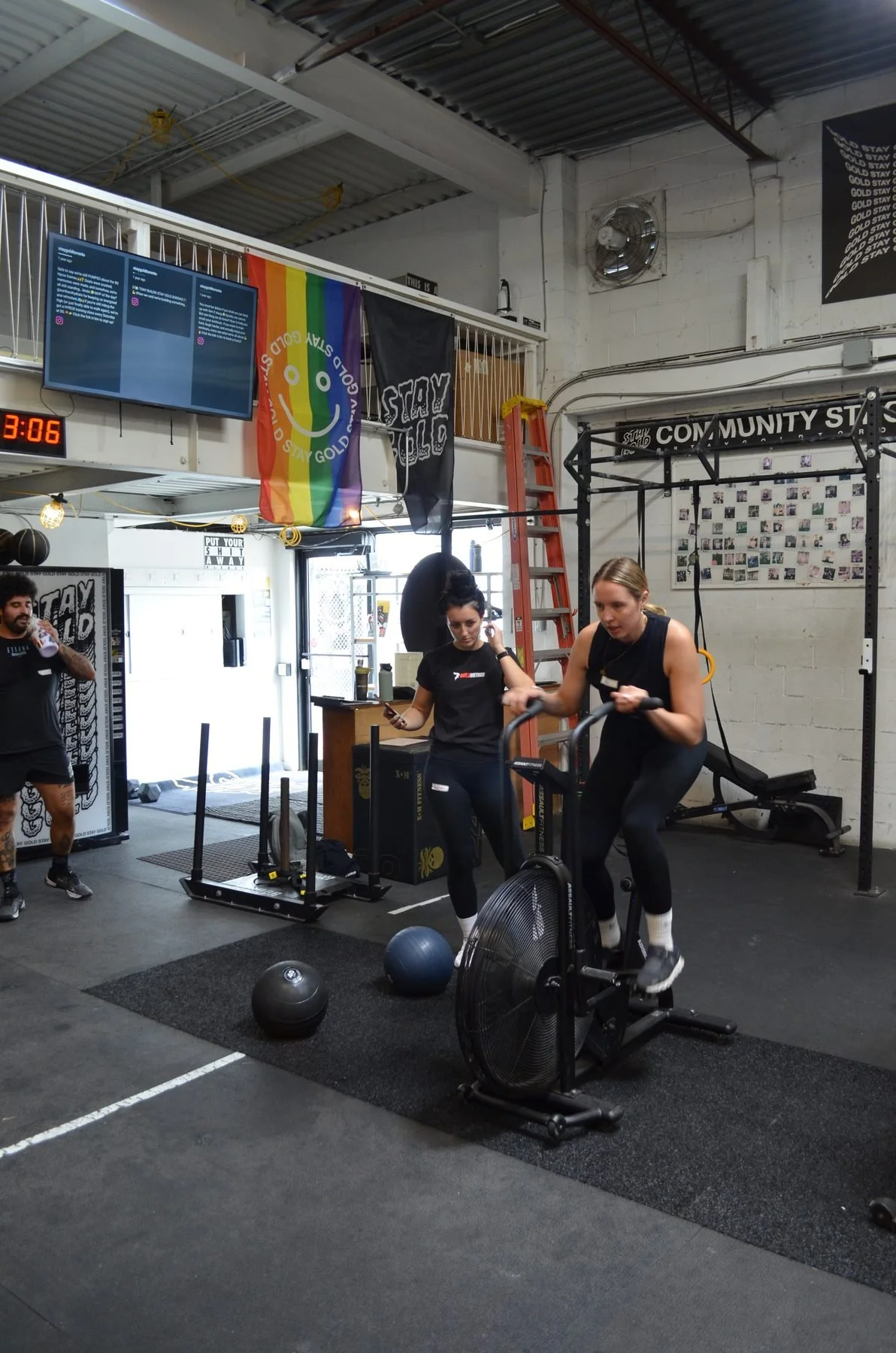
- Air bike, 25 calories
- Dead ball shoulder over, 20 reps
- Sled push and pull, 100 metres
- RAM burpees, 20 reps
Notice what's missing: Olympic lifts, handstands and anything that needs a decade of skill. It's all movements you can learn in a few weeks of coached training. That's the point.
How the running works in DEKA FIT and DEKA MILE
In DEKA FIT, you run 500 metres before each zone, which adds up to 5 kilometres. In DEKA MILE, you run roughly a tenth of a mile before each zone, which adds up to one mile. The pattern is run, zone, run, zone, all the way through zone 10.
In the FIT version, a couple of zones use harder variants: the med ball is thrown rather than just sat up with, and the shoulder over becomes a wall over. DEKA STRONG skips all of that and goes straight from zone to zone. Because it needs no running, it can be held right inside affiliate gyms.
How does DEKA compare to HYROX?
They're cousins. Both are functional fitness races. HYROX alternates running with eight stations; DEKA uses ten zones with a different mix of movements. If you've trained for one, you're well on your way to the other. Our HYROX and DEKA page shows how we run both, and we're an official HYROX Training Club as well.
What DEKA FIT demands from your body
Here's what's interesting about the format: no single zone is brutal on its own. A 500 metre row isn't scary. Twenty burpees aren't scary. The challenge is stacking them up while your heart rate stays high and your legs are tired. That's why smart training mixes strength with stamina, and why practising "ugly" transitions matters more than chasing a max lift.
Your grip, legs and breathing do most of the work. Farmers carries and sled work build the first two. Easy aerobic rowing, skiing and running build the third. Do both and the whole thing gets easier.
How to start training for DEKA
Break it into three buckets.
- Strength. Lunges, carries, sled work and hinges. Heavy, boring, repeatable. Do it twice a week.
- Engine. Rowing, ski, bike and running at easy to moderate effort. Build a base before you chase speed.
- Transitions. Practise moving from one station to the next while tired. Our HYROX / DEKA Training classes do this on purpose.
A simple week: two strength days, one or two engine days, and one session that mixes stations together. Add a rest day. Repeat for eight to twelve weeks and you'll feel like a different athlete.
Where to try DEKA in Toronto
We host DEKA STRONG events at Stay Gold: timed, judged, music up. They're a friendly place to try the format, whether you're racing for a time or just want to see what it feels like. Check our HYROX and DEKA page for the latest on events. For regular training, our small group training classes are capped at 8 and include HYROX / DEKA Training sessions, and the classes page shows the whole lineup.
New to all of this? That's fine. Our beginners page explains how we start people off, and you don't need to be fit to start; you start to get fit.
What to wear and bring
Keep it simple: a pair of supportive training shoes you can run and lunge in, breathable clothes, a water bottle and a towel. Grip tape or gloves are personal preference. If you're curious about the current rules and standards for each division, check the official DEKA site before event day, since they get updated between seasons.
Quick answers
What is DEKA FIT?
DEKA FIT is the full version of DEKA: ten fitness zones with a 5K of running spread between them.
What's the difference between DEKA FIT, MILE and STRONG?
All three use the same ten zones. FIT adds 5K of running, MILE adds one mile, and STRONG has no running.
How long does DEKA STRONG take?
Times vary by gym and athlete. Some listings describe it as roughly twenty minutes, but check results for your own division.
Can a beginner do DEKA?
Yes. The movements are simple and scalable, and DEKA STRONG has no running. A few weeks of coached training is a good start.
Train for DEKA with us
Tour either gym and ask about HYROX / DEKA Training.