
It's November in Toronto. The wind off the lake has opinions, the sun clocks out before 5pm, and the best room in the building is the hot one. So let's talk about the sauna after a workout: what it does, what it doesn't, and how to use it without turning into a raisin.
Short version: a sauna won't build muscle for you, and it won't sweat out "toxins." But the research on regular heat exposure is some of the most interesting in all of recovery science, and a lot more solid than most of what you see in your feed.
Sauna after a workout: what's actually happening
When you sit in a hot sauna, your body treats it a bit like light cardio. Your heart rate climbs, your blood vessels open up to dump heat through your skin, and you sweat. Your body is working to keep your core temperature steady, and that work is where most of the benefits seem to come from.
It also just feels good. Warm muscles, a quiet room, no phone. After an hour of sled pushes and lunges in a Gold Standard class, ten minutes of doing nothing on purpose is its own kind of recovery.
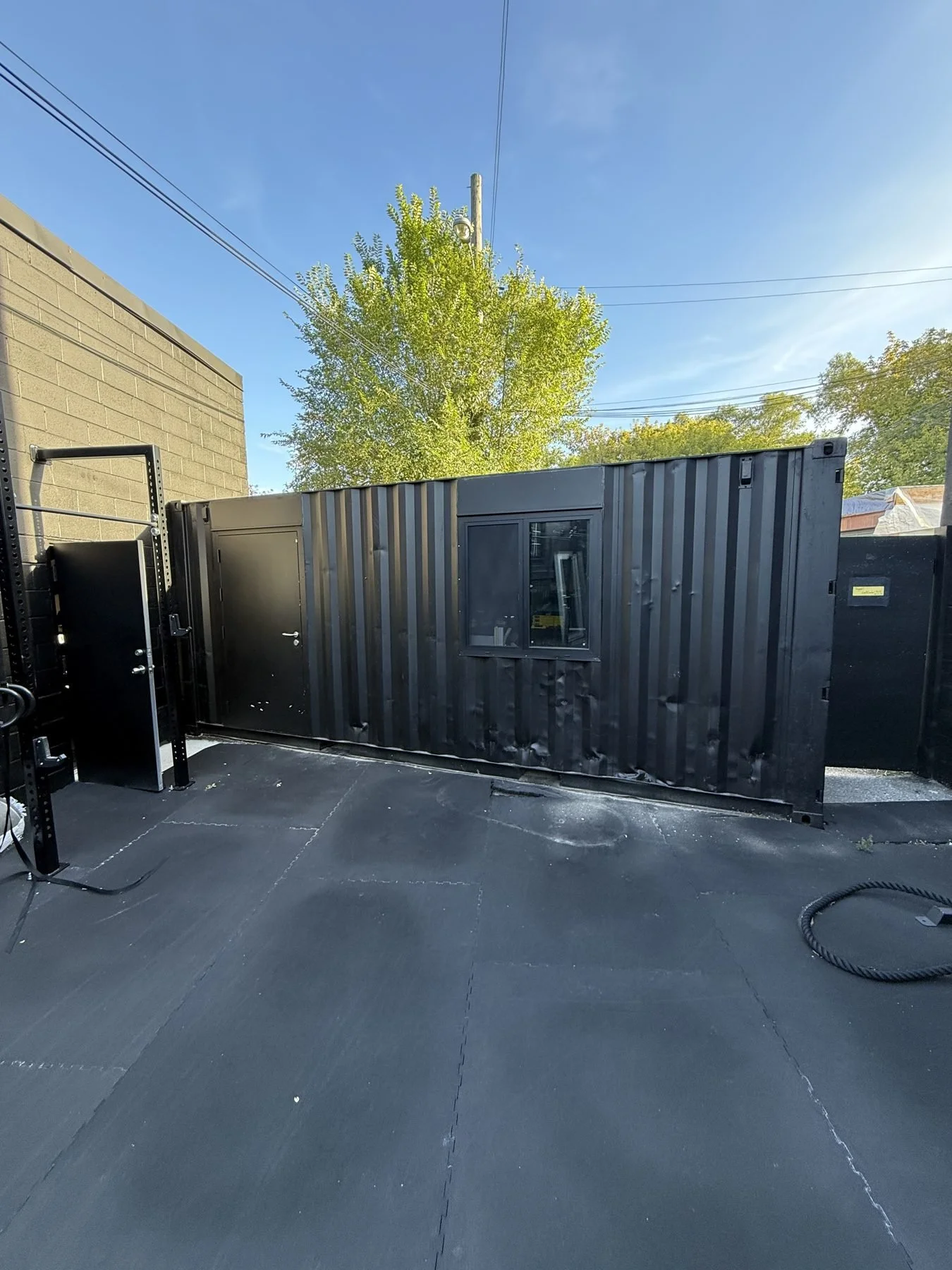
The heart health research
The study everyone quotes comes from Finland, which makes sense, since Finns basically invented this. Researchers followed 2,315 middle-aged men in eastern Finland for about 20 years and tracked how often they used the sauna. Men who went 4 to 7 times a week had roughly half the risk of dying from heart disease compared with men who went once a week, and a lower risk of dying from any cause. You can read it in JAMA Internal Medicine.
Before you move into the sauna: this was an observational study. People who sauna five times a week may also have more free time, less stress and different habits. It shows a strong link, not proof that the heat caused it. But it lines up with what we know about heat and blood vessels, and that's good enough for us to keep the heater on.
Can a sauna help your endurance?
This is the bit HYROX people get excited about. In a small 2007 study, six trained male runners sat in the sauna for about 30 minutes after their regular runs for three weeks. Their run time to exhaustion went up by around a third, and their plasma volume (the liquid part of your blood) went up too. More plasma means more blood for your heart to pump and more fluid to sweat with. Here's the study abstract if you like the details.
Small study, six runners, so don't bet your race on it. But it fits with what heat acclimation research keeps showing: repeated heat exposure teaches your body to handle heat better, and some of that carries over to performance. If you're building toward a race on our HYROX and DEKA program, a few post-session sauna rounds a week is a low-cost experiment.
What a sauna won't do
- Detox you. Your liver and kidneys handle that. Sweat is mostly water and salt.
- Burn fat. The weight you lose in the sauna is water. It comes back the moment you drink, which you should.
- Replace sleep, food or training. It's a nice extra on top of the basics, not a substitute for them.
How to use a sauna safely
- Hydrate. Drink water before and after, especially after a hard session when you've already sweated a lot.
- Skip the alcohol. Booze and heat together drop your blood pressure and raise the risk of fainting. Save the beer for after.
- Keep it to 10 to 20 minutes. You can do two shorter rounds with a cool-down in between.
- Check with your doctor first if you're pregnant, have a heart condition or high or low blood pressure, or take medication that affects either.
- Listen to your body. Dizzy, nauseous, headachey? Out you go. No shame.
What the heat is doing to you, in numbers
It helps to know what you are signing up for. Harvard Health describes what a sauna session does to the body in plain terms: the dry heat pushes your skin temperature up within minutes, the average person loses about a pint of sweat in a short sitting, and your pulse climbs by 30 percent or more as your heart sends extra blood to the skin. Blood pressure is the unpredictable part. It rises in some people and falls in others.
That is why a sauna after training feels like a second, gentler workout, and why the boring rules matter. You have already sweated through a session. Now you are about to lose another pint. Drink before you go in, keep the first rounds short, and stand up slowly when you are done.
A simple post-workout sauna routine
You do not need a protocol with a name. You need something you will repeat. Here is the one we suggest to members at Stay Gold Dundas, where the sauna and ice bath live.
- Finish training and cool down first. Five minutes of easy movement and a few sips of water. Walking in with your heart rate still spiking makes the heat feel worse than it is.
- Rinse off. It is polite, and you will sweat more comfortably.
- Round one: 8 to 10 minutes. Sit, breathe through your nose, leave your phone in your bag.
- Step out for 2 to 3 minutes. Cool air, more water. Notice how you feel before deciding on another round.
- Round two, if you want it: another 8 to 10 minutes. Then you are done. More is not better here.
- Rehydrate and eat. A full glass of water at minimum. After a long or sweaty session, add something salty. Our post on whether you need electrolytes covers when that matters.
Two or three of those a week is plenty for most people. If you train in the evening, the routine doubles as a wind-down. Warm, quiet and off your phone is a good way to end a day, which is half of what recovery is anyway.

About that lettering on the door
Look closely at the door next time you are in. It does not say Stay Gold. It says Stay Cold. That is a nod to the ice bath sitting right beside the sauna, and a small reminder that the two are meant to be used with some thought, not just because they are there. Heat after lifting is an easy yes. Cold right after lifting is more of a judgment call, for the reasons in the next section and in our deeper look at the science of cold plunges. On a day when you only did easy cardio or mobility, go ahead and do both.
Sauna and cold plunge: in which order?
We wrote a whole post on cold plunges, so the short version here: lots of people love going hot then cold, and it feels amazing. One caveat. If your main goal is building muscle, there's some evidence that cold water right after lifting can blunt those gains a little, so you might save the plunge for non-lifting days. The sauna doesn't seem to have that problem.
Our sauna and ice bath live at Stay Gold Dundas, a few steps from the lifting floor. Members book a slot in the app like a class, so you can wrap up a session properly. Our recovery page has more on how we think about it.
Quick answers
Is it good to sauna after a workout?
For most healthy people, yes. It's a relaxing way to wind down, and regular use is linked with better heart health and possibly better endurance. Drink water and keep sessions short at first.
How long should you sit in a sauna after a workout?
Start with 10 minutes. Most people settle around 15 to 20 minutes, sometimes split into two rounds.
Does the sauna help muscle recovery?
It helps you relax and many people feel less stiff after. The research is stronger for heart health and heat adaptation than for muscle repair itself, so treat it as a bonus, not your recovery plan.
How often should you use a sauna?
The biggest benefits in the Finnish research showed up at 4 to 7 sessions a week, but 2 to 3 is a great, realistic start.
Should I sauna before or after a workout?
After. Heat before training leaves you a little dehydrated and already tired, which is not how you want to start a heavy set. After training, the work is done and the sauna becomes a way to wind down. Cool down for a few minutes first and drink some water before you go in.
Come warm up with us
Train with a coach who knows your name, then thaw out properly. Book a free tour and we'll show you around, or grab a free pass and try a class.